Research profile · Small molecule
NAD+
Also known as Nicotinamide adenine dinucleotide
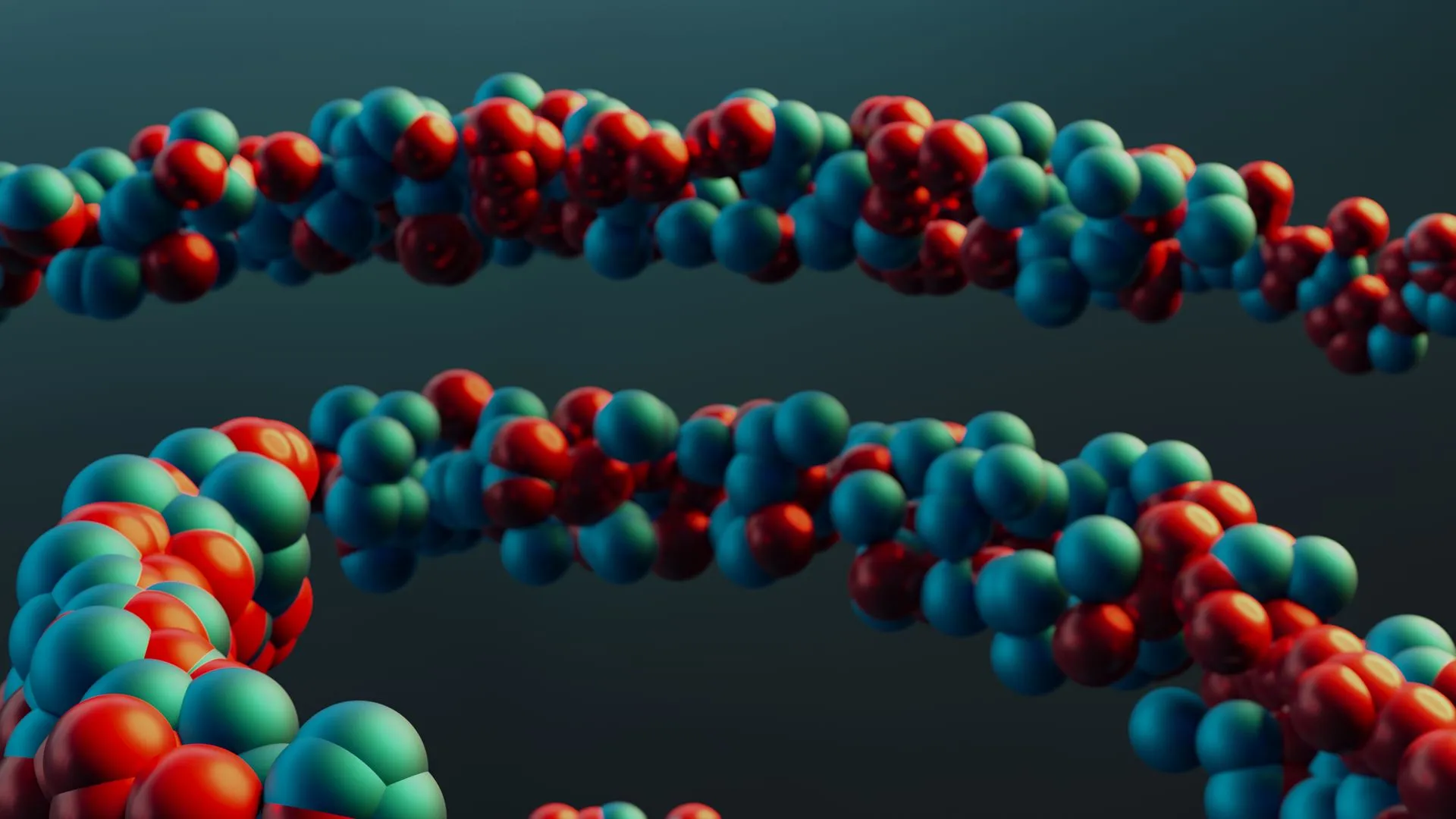
NAD+ is listed in the catalogue and supplied for laboratory research use only.
View the catalogue listingOverview
A coenzyme central to energy metabolism. Its oral precursors have a genuine trial base; the infused form has almost none.
- Category
- Small molecule
- Highest evidence level identified
- Early human evidence
- Last scientifically reviewed
- 20 August 2026
- Last regulatory review
- 20 August 2026
Mechanism under investigation
NAD+ is a coenzyme central to redox reactions in energy metabolism and a consumed substrate for enzymes including the sirtuins. Tissue concentrations decline with age in several model systems, which is the observation underpinning interest in raising them. Because NAD+ itself is not well taken up intact by cells, most research uses precursors rather than the molecule itself — a distinction that matters for reading almost every claim made about it.
Research areas
- Metabolic research
- Ageing research
These are fields in which the compound has been investigated. Listing a field is not a statement that anything was demonstrated within it.
Current evidence
In-vitro evidence
Cells, tissues or biochemical systems outside a living organism.
Precursors raise intracellular NAD+ in cultured human and murine cells, and the gating enzymes controlling their metabolism have been mapped. This demonstrates that precursors enter cells and are converted; it does not demonstrate a health outcome.
Animal evidence
Studies in living non-human animals.
Large and generally positive but heterogeneous. The most-cited study gave a precursor orally to normally ageing mice for twelve months and reported suppressed weight gain and improved insulin sensitivity and lipids. A 2026 systematic review identified eighty rodent studies and found improvements frequently reported but varying across models and endpoints, with published counter-examples including minimal effect in mild obesity models.
Human observational evidence
Studies observing people without assigning an intervention.
Human pharmacokinetics is the best-evidenced part of the field for the oral precursors. For the infused form the only human data is a single-cohort pilot in which, during a six-hour intravenous infusion, plasma NAD+ did not change for roughly the first two hours — indicating it was rapidly and completely cleared from plasma. A retrospective review of one commercial clinic’s records comparing intravenous NAD+ against an intravenous precursor reported moderate to severe gastrointestinal symptoms and increased heart rate in the NAD+ group.
Clinical-trial evidence
Studies assigning an intervention to human participants.
The oral precursors have a genuine randomised trial base — dozens of trials — and the honest summary of it comes from a 2026 systematic review: across 33 human intervention studies they consistently demonstrated biochemical target engagement and were generally well tolerated, but effects on functional, metabolic and vascular outcomes were heterogeneous and often null or endpoint-specific. Disease-specific trials have been largely null on clinical endpoints. There is no randomised trial of intravenous or intramuscular NAD+ itself for the uses it is marketed for.
Study limitations
- Target engagement is not benefit. Trials reliably show blood NAD+ rising; the same systematic review finds the downstream clinical outcomes heterogeneous and often null.
- There is no randomised trial of intravenous or intramuscular NAD+ for the indications it is sold for. The only human data on the infused form are a six-hour pharmacokinetic pilot and a retrospective commercial-clinic chart review.
- Almost all human trial evidence concerns oral precursors rather than NAD+ itself, and the pharmacokinetic pilot indicates infused NAD+ is rapidly cleared from plasma — so results for the precursors cannot be transferred to the injectable.
- Trials are mostly short, in small healthy cohorts, with biomarker rather than clinical primary endpoints.
UK regulatory context
Experimental — not authorised for human use in the UK
A compound appearing in research literature that holds no UK authorisation for human use in any indication.
Source: Active ingredients beginning with N — electronic Medicines Compendium index (opens medicines.org.uk in a new tab) (electronic Medicines Compendium)
Regulatory classification is jurisdiction-specific. A compound authorised elsewhere is not thereby authorised in the UK, and a supplier’s description of a substance does not determine how it is classified in law. See safety and regulation for the framework and the authoritative sources.
Safety and interpretation
Oral precursors were generally well tolerated across the randomised evidence, though follow-up is short and populations are mostly healthy adults, so long-term safety is uncharacterised rather than established. For the infused form the only comparative human data is retrospective and reported moderate to severe gastrointestinal symptoms and increased heart rate. Because no NAD+ injectable is authorised anywhere, product identity, sterility and purity carry the uncertainties attaching to any unauthorised injectable preparation.
References
- Regulator or official body
electronic Medicines Compendium · accessed 20 August 2026
Across seventy active ingredients beginning with N the index lists nicotinamide but no entry for nicotinamide adenine dinucleotide. No NAD+ injectable holds a UK marketing authorisation, and none was found in any other jurisdiction. Of the oral precursors, nicotinamide riboside chloride is an authorised novel food in Great Britain; nicotinamide mononucleotide is not authorised and remains under assessment.
- Review or secondary sourceCitation not yet verified
Gallagher C, Emmanuel OO. Ageing Research Reviews, 2026 · doi:10.1016/j.arr.2026.103057 (opens doi.org in a new tab)
States that no eligible outcomes trial evaluated intravenous or intramuscular NAD+ itself. Bibliographic record confirmed via Europe PMC.
- Primary researchCitation not yet verified
Grant R, Berg J, Mestayer R, et al.. Frontiers in Aging Neuroscience, 2019 · doi:10.3389/fnagi.2019.00257 (opens doi.org in a new tab)
The only human pharmacokinetic data for the infused form. Bibliographic record confirmed via Europe PMC.
- Primary researchCitation not yet verified
Martens CR, Denman BA, Mazzo MR, et al.. Nature Communications, 2018 · doi:10.1038/s41467-018-03421-7 (opens doi.org in a new tab)
Concerns an oral precursor, not NAD+ itself. Bibliographic record confirmed via Europe PMC.
- Primary researchCitation not yet verified
Trammell SA, Schmidt MS, Weidemann BJ, et al.. Nature Communications, 2016 · doi:10.1038/ncomms12948 (opens doi.org in a new tab)
Bibliographic record confirmed via Europe PMC.
- Primary researchCitation not yet verified
Cell Metabolism, 2016 · doi:10.1016/j.cmet.2016.09.013 (opens doi.org in a new tab)
Bibliographic record confirmed via Europe PMC.